
By: Dr. Dana Mincer, DO of Glenside
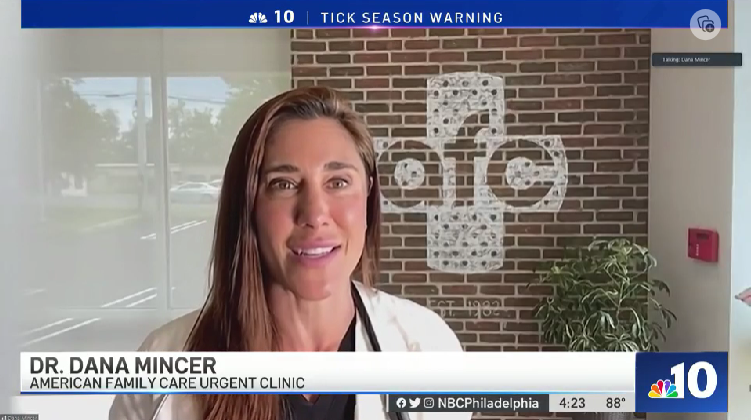
A few weeks ago I did an interview with NBC10 Philadelphia about tick-borne illnesses. This is the evidence-based information that you should have.
I feel it’s best to start this article by reminding everyone that it’s not worth stressing about things in life that are out of our control. It’s necessary for your mental health to get outside in nature. That said, ticks do exist and can pose some issues with regards to your health, especially in regions with dense vegetation and wildlife populations.
Tick-borne diseases are transmitted through the bites of infected ticks and can occasionally cause severe health complications if not detected and treated early. Most of these illness are not transmitted immediately – they require the tick to be attached for some amount of time before the bacteria or parasite actually enters your bloodstream.
Some of the most common tick-borne diseases include Lyme disease, Rocky Mountain spotted fever, babesiosis, anaplasmosis, and tick-borne encephalitis. These diseases can have wide-ranging symptoms, from mild to severe, and can occasionally be life-threatening.
Lyme Disease is the most well-known tick-borne illness. It’s caused by the bacterium Borrelia burgdorferi – say that 10 times quickly! It can lead to flu-like symptoms, fatigue, joint pain, and, if left untreated, can affect the heart, nervous system, and joints.
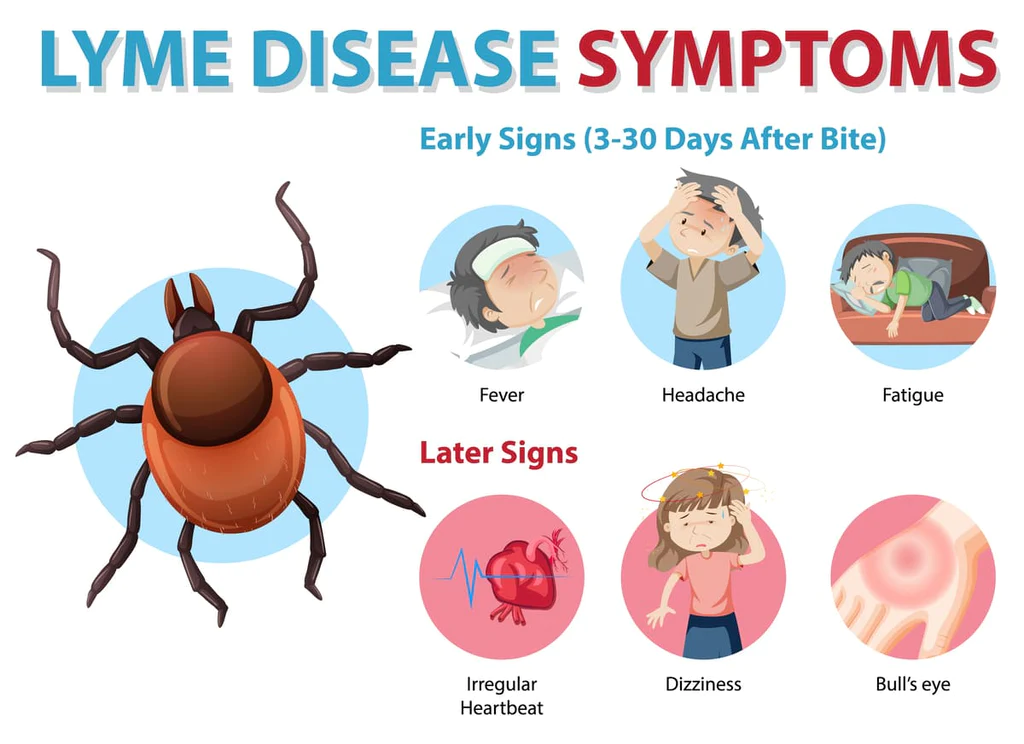

To put things into perspective, per the CDC data dating back to 2012, there are approximately 2,000 to 9,000 confirmed cases of Lyme disease in all of Pennsylvania on any given year. There’s also a count of “probable cases”, in which Lyme is suspected but not confirmed by laboratory analysis, that may account for another 2,000 cases per year.
The majority of these cases are treatable, with patients experiencing full resolution of their symptoms. In 2021, of all the cases in Pennsylvania, 51 had severe symptoms… so 51 out of thousands had severe symptoms. There were 289 Cases reported in all of Montgomery County.
Rocky Mountain Spotted Fever has averaged 29 cases per year in all of Pennsylvania. It is caused by the bacterium Rickettsia rickettsii and is prevalent in North and South America. It presents with similar symptoms to Lyme, such as fever, headache, rash, and can occasionally lead to organ damage if not treated promptly.
Erlichiosis is another bacterial disease transmitted by our little friends. Symptoms typically start within 1-2 weeks of the actual tick bite. Some may get fever, muscle aches, headaches, fatigue, joint pains, red eyes, and nausea, vomiting, and diarrhea. Given that 10 years of date show the average case count in all of Pennsylvania was about 20 per year, severe cases are extremely rare.
Unsimilar to Lyme, which is transmitted by the deer tick, both Rocky Mountain Spotted Fever and Erlichiosis are transmitted by the lone star and the American dog ticks, which are much larger and easier to spot than the deer tick.
Anaplasmosis is caused by the bacterium Anaplasma and leads to fever, headache, muscle pain, and fatigue. If left untreated, it can cause severe complications such as respiratory failure or organ damage. The 10 year data report does unfortunately show these cases to be on the rise – in 2021, 683 cases were reported in all of Pennsylvania.
Babesiosis is caused by the parasite Babesia and is transmitted by the same deer ticks that carry Lyme disease. Symptoms include fever, fatigue, anemia, and in severe cases, it can affect multiple organs. This is not currently a reportable condition in Pennsylvania – so data is a little more varied. However in 2021, 104 cases were reported.
So now that I’ve hit you with lots of numbers, the question is, What to do if you were bitten by a tick or feel unwell?
The thought of any illness becoming severe and attacking the central nervous system and organs is naturally frightening. However the good news is we can test for all of these illness and treat most of them.
If you are and outdoorsy person or have been in higher risk outdoors areas such as woods and high grasses and are feeling unwell, you should consult a physician who you trust and tell them your concerns! Some data show that receiving a one time dose of antibiotics, namely doxycycline, within 72 hours of being bitten by a tick, can help to prevent Lyme. So this is always an option on the table.
Lyme disease takes a few weeks to actually show up in the blood. If you pull a tick off on Sunday and come into urgent care that same day, blood testing is likely not going to be helpful. The good news is, if the clinic cannot test the tick, you can send your friend off to a lab for minimal or no cost for further testing! I love this method because it avoids unnecessary stress and treatment with antibiotics – test the tick and if the tick does not carry the disease, then neither do you! Here are some resources, some of them free for Pennsylvania residents:
https://www.ticklab.org
https://www.tickcheck.com
Lastly but not least, I want to give you some tips on minimizing the likelihood of tick attaching to you when you are outside!
Wear protective clothing
When venturing into tick-prone areas such as wooded or grassy areas, wear long sleeves, long pants, and closed-toe shoes. Tucking your pants into your socks can help prevent ticks from crawling up your legs.
Use insect repellent: Apply an Environmental Protection Agency (EPA)-registered insect repellent containing DEET, picaridin, or permethrin on exposed skin and clothing. Follow the instructions on the product label for safe and effective use. For anyone concerned about these products, REI has a great summary page here.
Perform regular tick checks
After spending time outdoors, thoroughly check your body, clothing, and gear for any ticks. Pay close attention to hard-to-see areas such as the scalp, behind the ears, and armpits. Promptly remove any attached ticks using fine-tipped tweezers.
Modify your landscape
Create a tick-safe zone in your yard by mowing the grass short, removing leaf litter, and creating a barrier between wooded areas and recreational areas. You may even consider seeking professional tick control services.
Protect your pets
Keep your pets protected from ticks by using tick preventives recommended by your veterinarian. Regularly check their fur for ticks and promptly remove any you find.
While tick-borne illnesses can be problematic for our health, it is also extremely important for your health that you continue to go outside and be in nature. By understanding the diseases and taking appropriate precautions, such as wearing protective clothing, using insect repellents, and performing regular tick checks, we can minimize the chances of tick bites and subsequent infections. I hope this article has answered all of your questions surrounding this topic, and if not, feel free to email Glenside Local at ryan@burbmedia.com with any questions you may have!
About Dr. Dana Mincer:
Dr. Dana is a Board-Certified Family Practice physician, local mom, daily yogi, and personal trainer, with hands on experience in urgent care, weight loss, and outpatient addiction/mental health medicine. She is especially passionate about how we can implement the science behind positive habit coaching to transform our mindsets and our lives. She believes body and mind are inseparable and approaches medicine from that perspective.
For more on her life, career, and medical philosophy, you can read Glenside Local’s article here.
For the NBC10 Philadelphia coverage featuring Dana, you can watch this video:
For all the latest news, follow us on Facebook or sign up for Glenside Local’s “Daily Buzz” newsletter here.
Screengrab courtesy of NBC10