
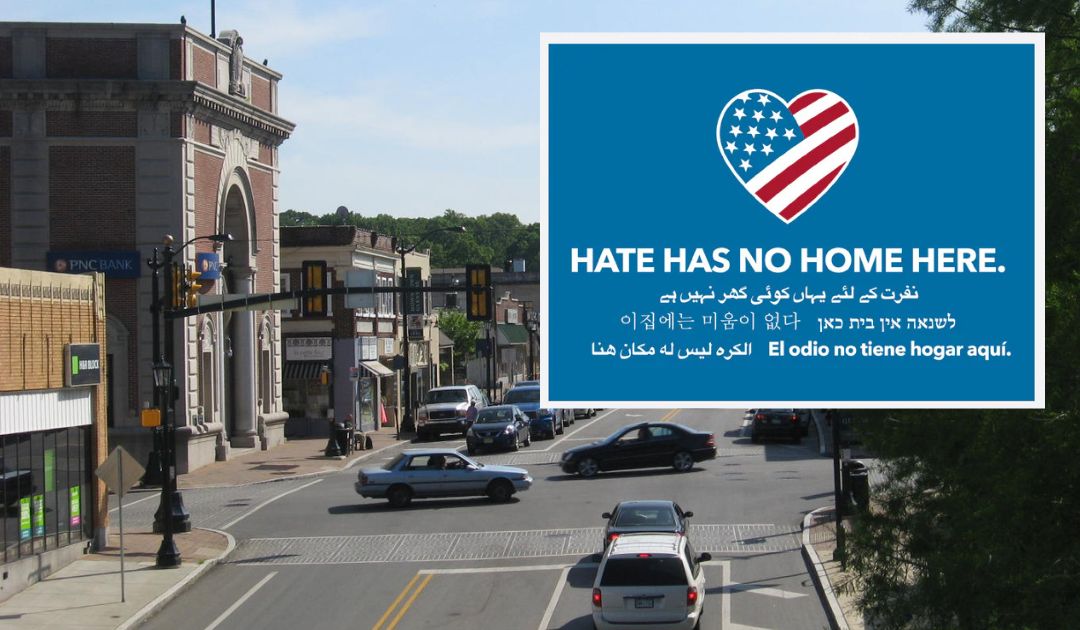
In 2016, local residents launched a campaign to saturate the Glenside community and surrounding areas with lawn signs denouncing hate. They were intentionally non-partisan, printed with red on one side and blue on the other.
Almost a decade later, an online Archie Bunker vs. Michael Stivic conversation has taken their place.
In September, an Abington resident asked us to promote a vigil for Charlie Kirk and three police officers. The Facebook post which shares the article has accumulated 175 comments. 44 of those comments are in response to “Can’t they just honor him in private at their next Klan meeting?”
Four days later, I interviewed a Glenside resident who had joined a humanitarian aid fleet to Gaza. That share racked up 48 comments, most of which pick a clear side in arguably the most complex and deep-rooted ongoing dispute on the planet. Word choices include “coward”, “colonizer”, and “keyboard warrior that needs mental health treatment”.
Six days later, and in response to a peaceful political rally, two of our readers labeled each other “Pud Gazer”, “petulant child” and “poopyhead”. One said to the other, “you have no penis”.
The following images were posted below an article about the provocative “No Kings” protests scheduled for Saturday, October 18 in Hatboro and Cheltenham:

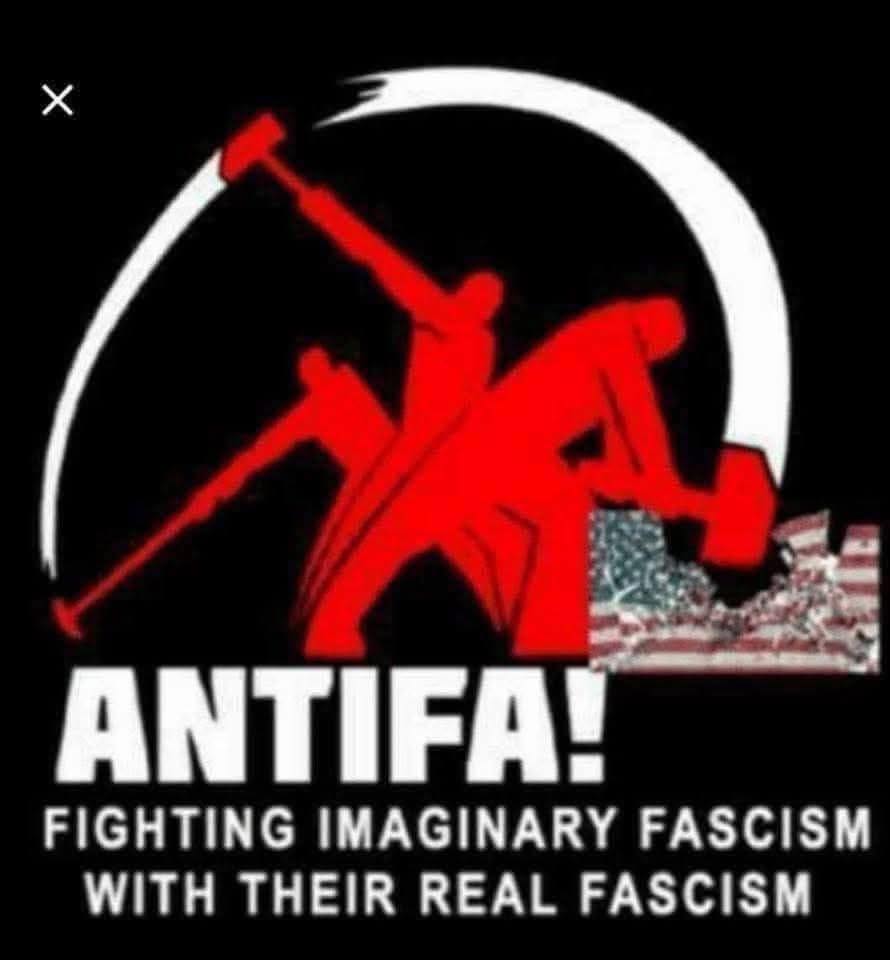
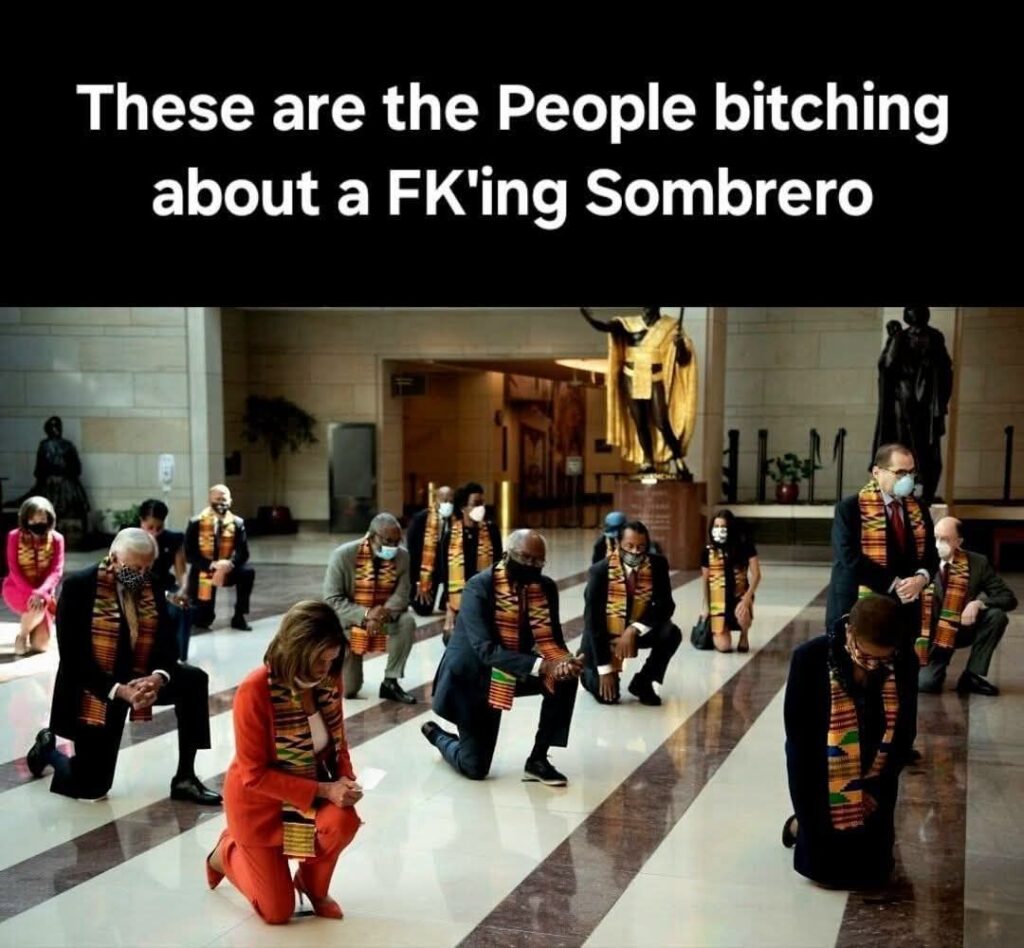
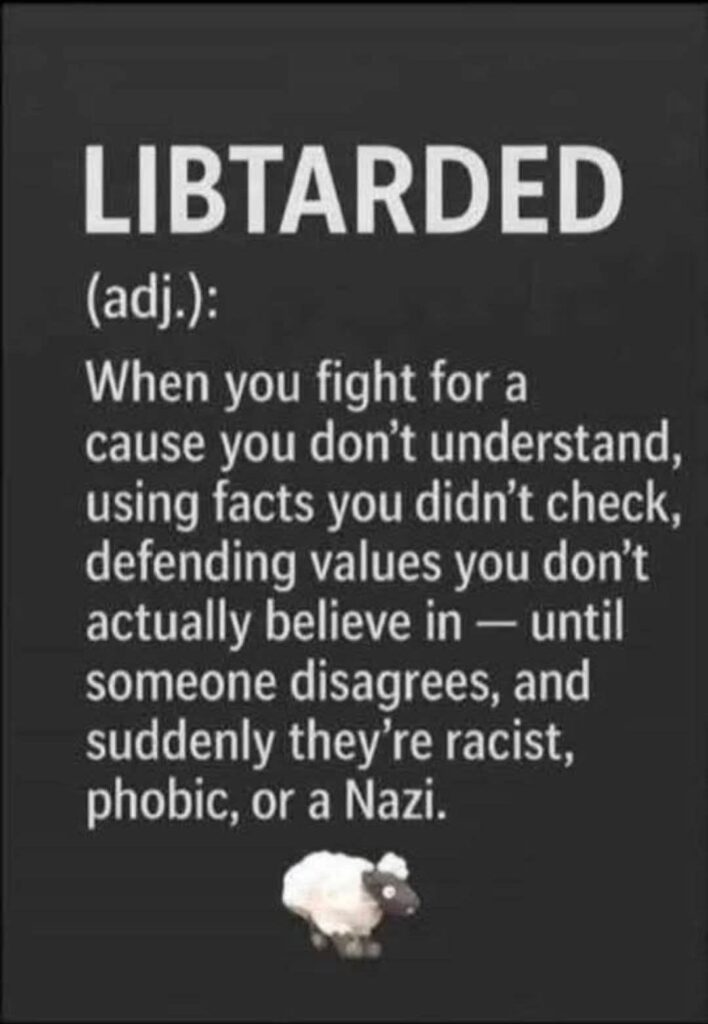
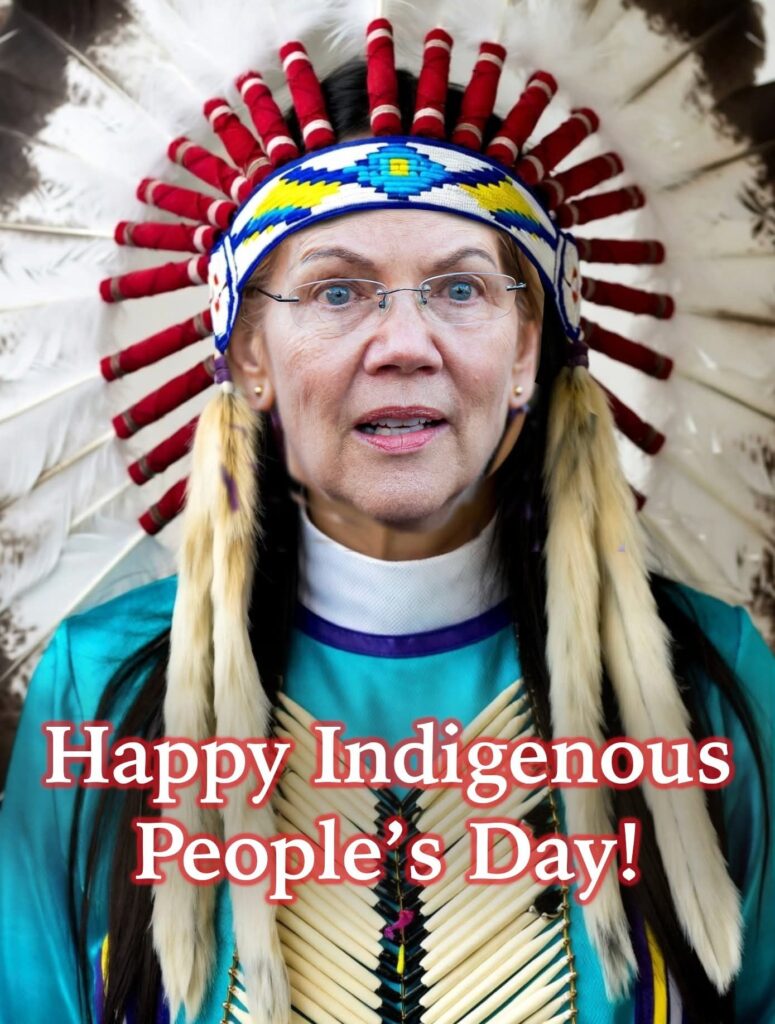

I was once asked to referee the “cesspool” as someone described it, which is easier said than done (no one likes censorship when it’s done to them), and is by no means specific to Glenside. I get requests to delete blatant racism every now and then, which I do. Everything else seems to be fair game.
Echo Chambering and the Classroom
In addition to journalism, for the past eight years I’ve taught courses at a couple local universities about belief systems (which are my favorite things about people). I’ve had the pleasure of discussing with 18-22-year-old students a wide variety of sensitive issues.
Those discussions include research showing that our political preferences are 40-60% biological and significantly emotional. According to people who study our brains, when it comes to hot-button topics, we feel first (think fight or flight), critically assess second. And human beings have always operated that way. It’s only been within the last 10-15 years that we’ve been able to widely and semi-permanently share the rawest of our emotions in seconds (local elected officials included). It’s a stacked deck which strongly favors the online platforms engineered to give us more of the emotions we want, and fewer of those we don’t.
The result of this engineering is referred to as an “echo chamber.” Students sometimes call them “filter bubbles.” Every social media user (Google.com included) is prone to them, and representatives from all angles—left, right, and center—seem to agree that youth are disproportionately impacted.
In response to the tensions, I’ve offered students a claim that politics has slowly taken over America’s religious divide. The claim is supported by various attitudinal shifts since around 1960 and added a layer when decontextualized media clips and hashtags started going viral.
A few takes on the claim:
- Why Politics Became a ‘Replacement Religion’ – Public Affairs Council
- Politics has become the new religion in America – Shreveport Times
- America’s Becoming Less Religious. Is Politics to Blame? – TIME
- Are Americans turning politics into their new religion? – CSMonitor.com
- How Politics Replaced Religion in America – The Atlantic
In other words, we’re still storytelling but with new narratives, and our social media profiles have become means for belonging, meaning, and purpose. Sometimes profiles speak on behalf of “God”, others on behalf of “America”, others on behalf of the “[fill in the blank] community”.
Showing faith is, at times, to ad hominem an A.I. avatar or a next-door neighbor.

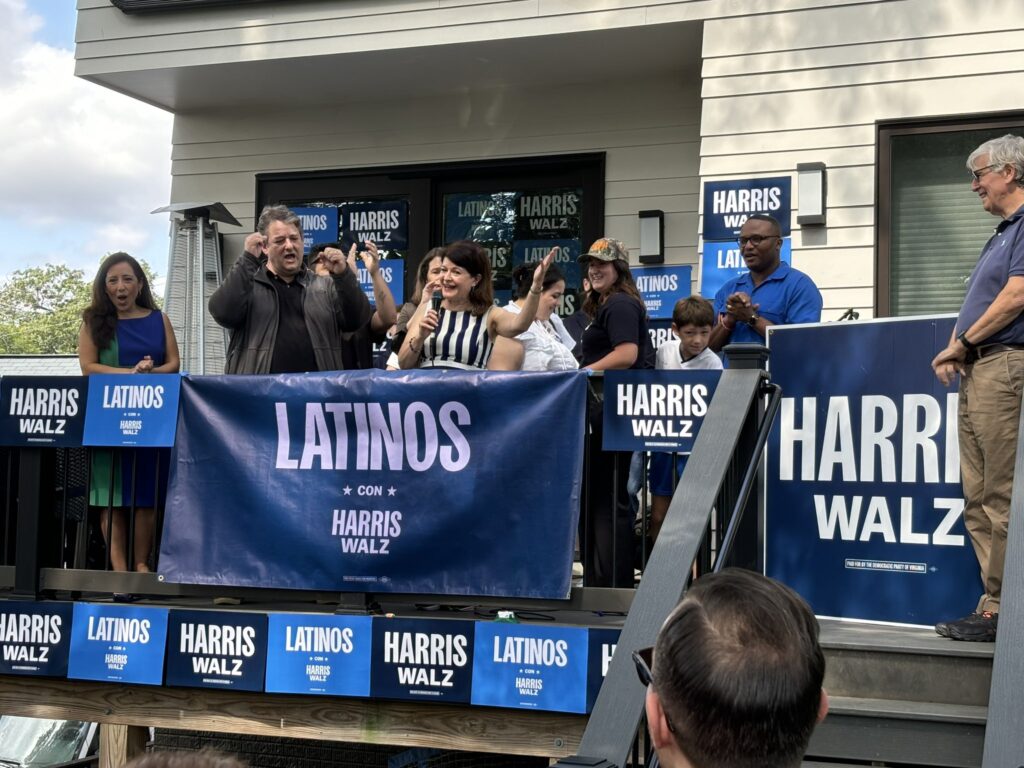
Photos: Ethan Miller / Getty Images file, Barbara Favola
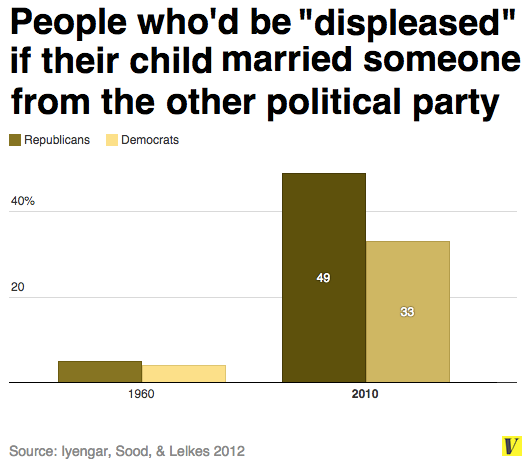
Gallup’s lengthy take on this trend from 2024
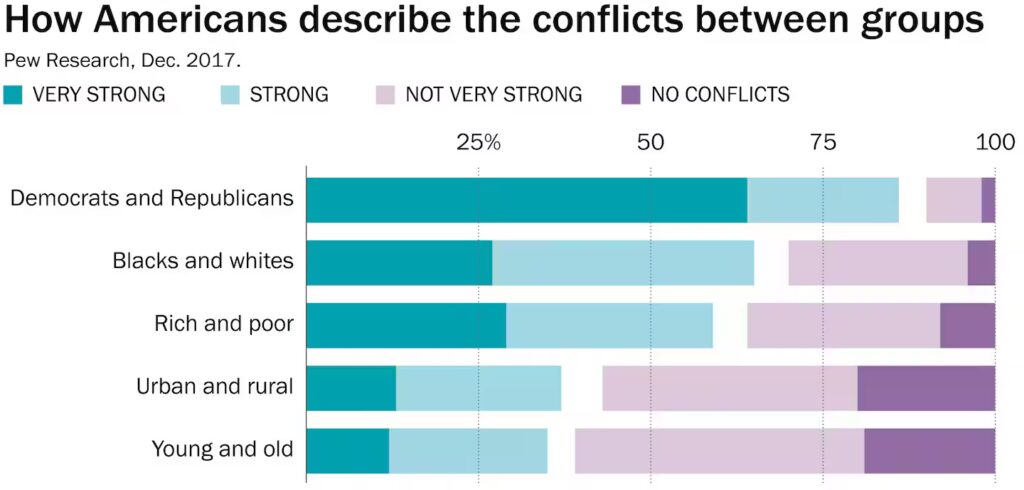
Two years ago, I was at simultaneous Israeli and Palestinian rallies outside of Representative Dean’s office. Both groups remained one hundred percent peaceful. I have never been to or heard of a local demonstration since 2023 that was interrupted by opposing hooligans (please correct me if I am wrong). So, the good news is, for the most part, we’re confining sanctimonious bigotry to the internet.
All I am pointing out is that online political activism is evolving. It’s become very good at further dividing users into “us” and “them” in the same ways people have always divided themselves over superficial, ugly-headed narratives. My classroom experiences are proof enough to me that people—even young adults with plenty of emotions and plenty of screen time—can calmly relate to and reflect upon a lot more than we sometimes give ourselves credit for.
In closing, it’s not just a Glenside thing (or an American thing):
For all the latest news, follow us on Facebook or sign up for Glenside Local’s “Daily Buzz” newsletter here.