
Welcome to National Pollinator Month—and to a new chapter for our column, now supported by Primex Garden Center of Glenside. As a self-proclaimed mediocre gardener, I approach everything I write with care, aiming to share accurate, helpful information. Primex operates the same way. As a local garden center, they’re dedicated to supporting their community with knowledge and enthusiasm—like me, serious about what they do but having lots of fun along the way.
June is the month when we celebrate all the great and helpful insects that we can invite into our garden simply by putting the right plant in the soil. And if you’ve been thinking about adding more ecological value to your garden, then look no further than native pollinators.
Sure, honeybees get all the buzz, but did you know they’re not even native to North America? The real MVPs of pollination are the native bees, butterflies, moths, and beetles that have been working alongside native plants for centuries. These pollinators not only keep your flowers blooming and your veggies producing, but they also support the broader ecosystem, feeding birds and other wildlife.



So, who should you be rolling out the floral welcome mat for? Here are the top five native pollinators that deserve a spot in your garden.
1. Bumblebees (Bombus spp.)
If you want a powerhouse pollinator, bumblebees are your go-to garden guests. Unlike honeybees, bumblebees can “buzz pollinate,” a technique where they vibrate their bodies to shake pollen loose from flowers. This makes them essential for crops like tomatoes, peppers, and blueberries.
How to Attract Them:
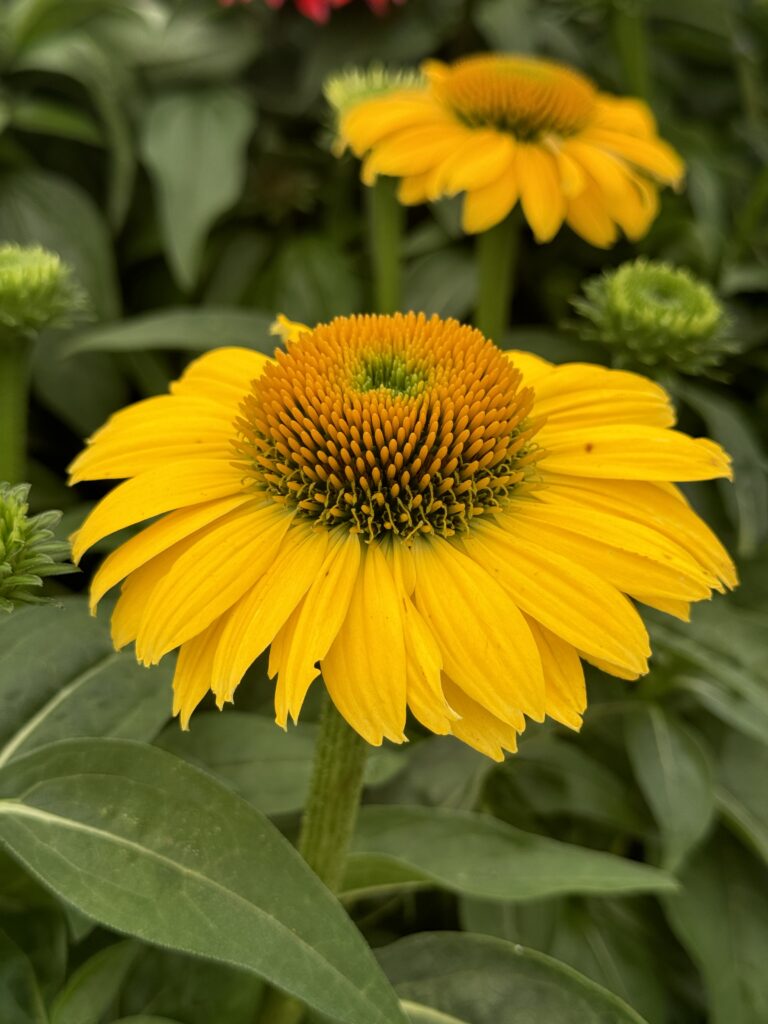
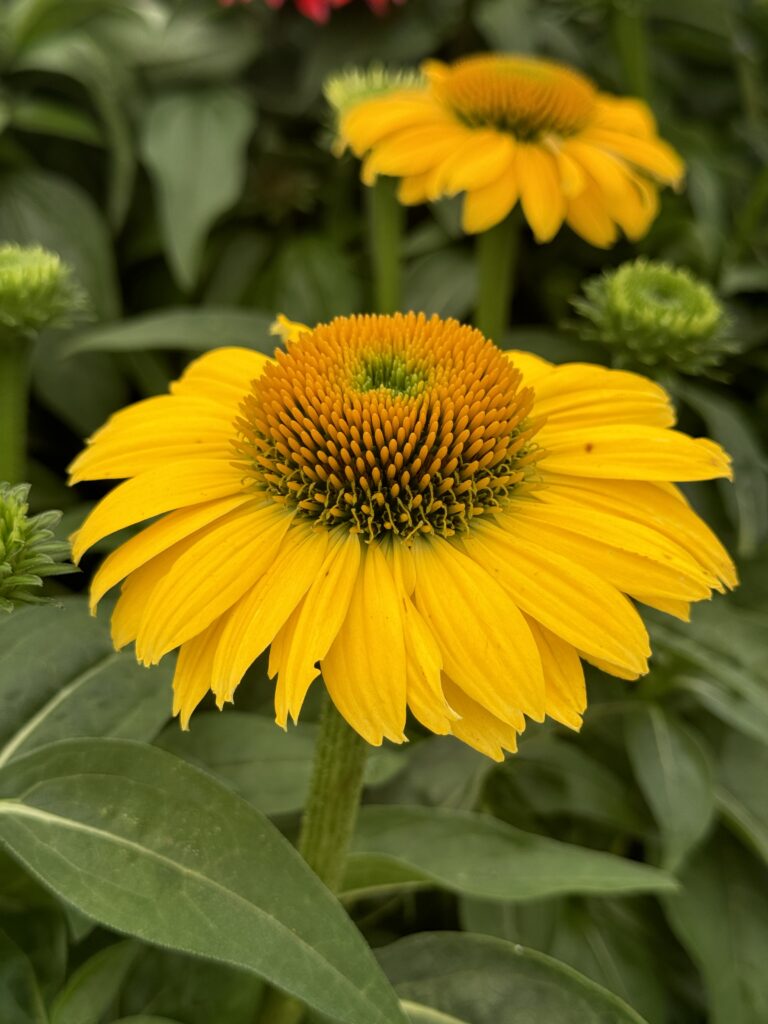
- Plant native wildflowers like bee balm, coneflowers, and milkweed.
- Skip the pesticides—bumblebees are especially vulnerable to chemicals.
- Leave some bare soil or brush piles so they can nest in the ground or in old plant stems.
2. Monarch Butterflies (Danaus plexippus)
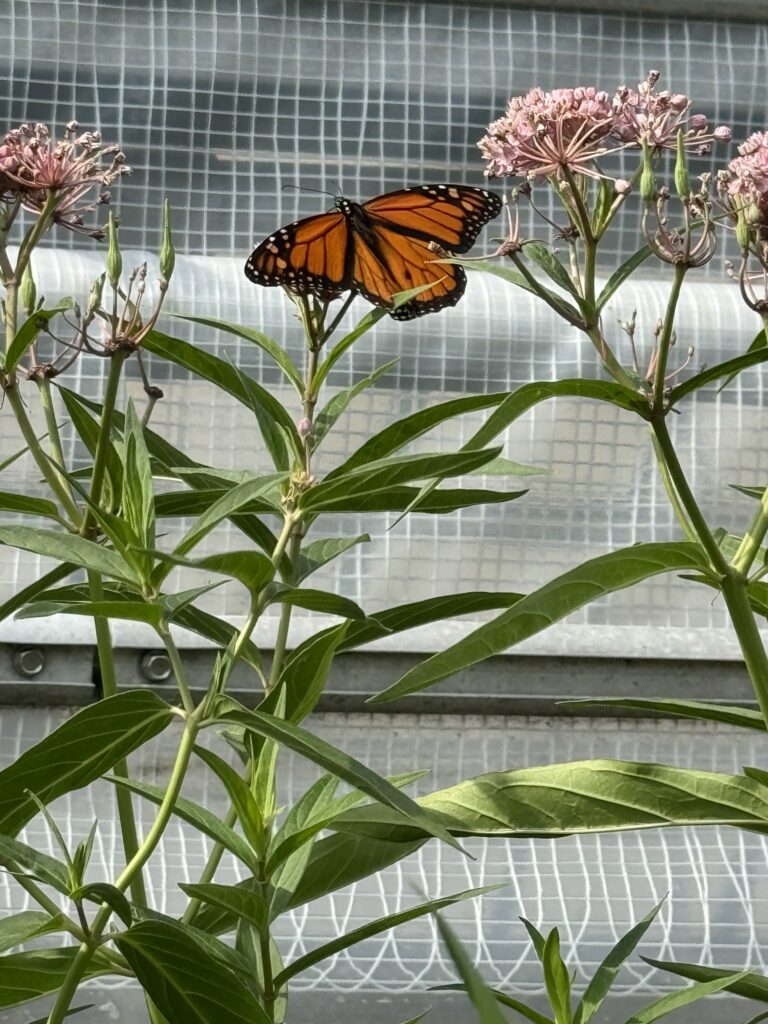
You probably already know that monarch butterflies rely on milkweed to complete their life cycle, but did you know they also serve as excellent pollinators? As they flutter from flower to flower, they help fertilize a wide variety of plants, ensuring your garden stays full of blooms.
How to Attract Them:
- Plant native milkweed species like common milkweed, swamp milkweed, or butterfly weed.
- Provide nectar sources throughout the season—monarchs love asters, goldenrod, and black-eyed Susans.
- Avoid cutting back your garden in fall—migrating monarchs need late-season nectar.
3. Mason Bees (Osmia spp.)
Mason bees are small but mighty pollinators, working up to 100 times more efficiently than honeybees. They’re solitary bees, meaning they don’t live in hives, and they prefer to nest in hollow stems or holes in wood.
How to Attract Them:
- Plant early bloomers like serviceberry and redbud to support them in spring.
- Set up a bee hotel with drilled wood blocks or bundles of hollow stems.
- Avoid disturbing old plant stems until it’s warm enough outside for them to leave the nest—mason bees may be overwintering inside!
4. Hummingbird Moths (Hemaris spp.)
Ever seen what looks like a tiny hummingbird hovering over your flowers? That’s a hummingbird moth! These fascinating pollinators have long tongues perfect for sipping nectar from deep-throated flowers.
How to Attract Them:
- Grow tubular flowers like wild bergamot, phlox, and native honeysuckle.
- Keep night-blooming plants like evening primrose and moonflower for moth species active at dusk.
- Leave leaf litter in the fall—hummingbird moths pupate in the soil or leaf debris.
5. Flower Beetles (Various species)
Beetles were some of the very first pollinators on Earth, and they’re still at it today. While they’re not as flashy as butterflies, these little guys are crucial for pollinating magnolias, spicebush, and other early-blooming plants. Would you believe that magnolias are some of the oldest trees in the world, they were around even before bees and that’s why they’re pollinated by beetles. Cool, right?
How to Attract Them:
- Grow native shrubs and trees like sassafras, spicebush, and pawpaw.
- Let flowers go to seed—beetles feed on pollen as well as nectar.
- Create a diverse garden with layers of plant life, from ground cover to canopy trees.
Final Thoughts
By making small changes to your garden—like planting native flowers, providing nesting spots, and ditching pesticides—you’ll be rolling out the red carpet for some of the most hardworking (and often overlooked) pollinators. Not only will your garden flourish, but you’ll be helping to sustain entire ecosystems.
Have a favorite native pollinator that visits your garden? Share your sightings and questions at dearmediocregardener@gmail.com or tag me on Instagram @themediocregardener. And as always, happy imperfect planting!
For more of The Mediocre Gardener’s column with Glenside Local, you can click here. For more on Primex Garden Center of Glenside, you can visit their website and Facebook page.
For all the latest news, follow us on Facebook or sign up for Glenside Local’s “Daily Buzz” newsletter here.