
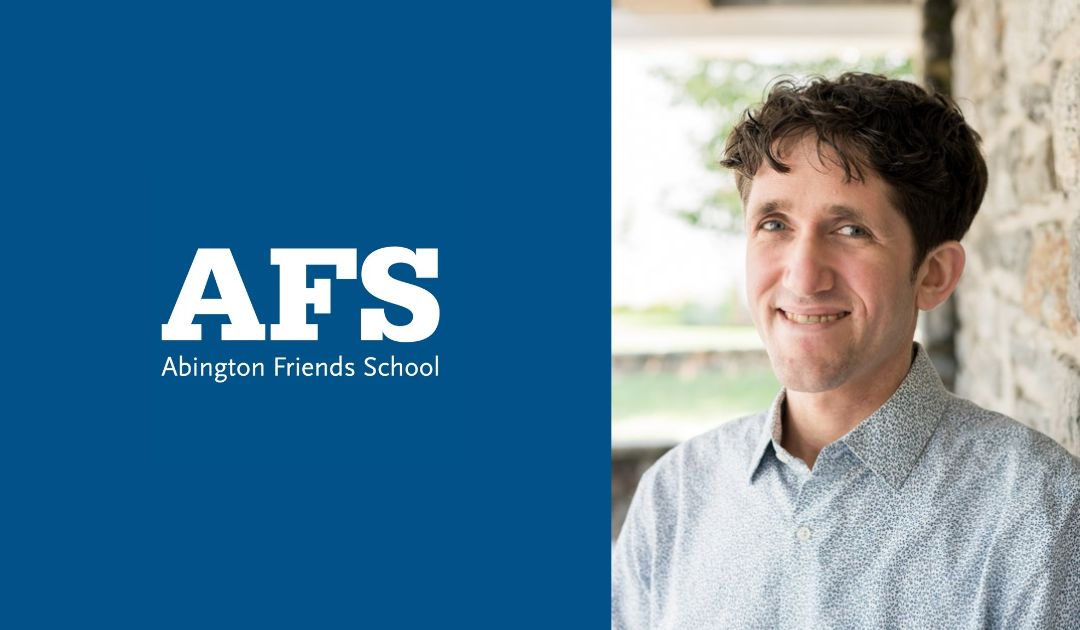
Daniel Benjamin, an English teacher and school newspaper advisor at Abington Friends School in Jenkintown, published an opinion piece in The New York Times today.
The op-ed details Benjamin’s classroom use of The New York Times Learning Network’s Student Opinion feature, which he says “provides students to write for authentic audiences, have their work published and practice engaging in civil discourse”.
He continues:
While I sometimes have the entire class respond to the same article, more typically I invite them to respond to any one of the five most recent Student Opinion prompts. That way, students can follow their own interests, and I get to learn what they are thinking about. When I’m grading that writing later, it’s a pleasure to have variety rather than 40 paragraphs answering the same question.
These comments give me windows into students’ experiences that I might not otherwise have. I’ve learned that some of them find lifeguarding boring, wish they still did more writing by hand, think that María Zardoya of the Marías is the greatest songwriter of all time and feel uncomfortable being near any student wearing smart glasses.
By giving students choices, I increase the chances that they will find topics in which they are genuinely interested. In my experience, that makes them less likely to resort to the shortcut of artificial intelligence.
Benjamin notes in the article that seven students had their comments published in The Times’ “What Teenagers Are Saying About the Killings in Minneapolis” from February.
Two examples:
As a Latino, I adamantly feel, as it pertains to the context surrounding us, that Latinos, in particular, should be paying close attention to the ICE shootings as they signal a direction this country is very well drifting toward — one of which state power is normalized, accountability is blurred, and certain communities are treated as inherently suspect and lesser than.
One must not scour history in Latin America, to see how it teaches us how quickly this slide can happen. For example, in Chile and Argentina, authoritarian regimes justified repression as “security,” using secret police and military force to silence, detain, and disappear people long before the broader public fully grasped what was happening. Likewise, under Trujillo in the Dominican Republic, violence by the state became routine, selective, and eventually invisible to those not directly targeted.
The lesson is not that the United States is already there, but that complacency is dangerous. When shootings by federal agents are met with shrugs or more so partisan deflection, a specific precedent is set. Latinos understand, often through family memory, that rights erode first at the margins.
Today in my English class, we read this article aloud and our teacher gave us space for us to process these tragic events and room to talk about it. Going to a Quaker school, we often use silence to process what has been said. During our discussion, I noticed a lot of silence, mostly because everyone was processing the violence that they witnessed on the news or have seen recently.
While my peers all had different viewpoints they were speaking from, there is one thing their sentiments had in common: fear. Innocent lives are being threatened for existing in a country that is supposed to be accepting of everyone, a country that many come to for opportunities for a better life. The hatred, apathy, and violence is affecting our youth and young adults, and it’s horrifying.
As deep as this conversation was, I am glad that I have a community that I can lean on for support. From my family, friends, and in the classroom, I am grateful for these conversations because it helps myself and others feel less alone, gives me the ability to process the information and learn new perspectives from others.
— Nia, Abington Friends School
For all the latest news, follow us on Facebook or sign up for Glenside Local’s “Daily Buzz” newsletter here.