
Happy November, Gardening Friends, we made it through another growing year. Phew!
Before we get into November’s garden, a little news from mine. The lovely folks at 6abc recently stopped by to see my garden and hear about how it has brought neighbors together. If you have not had a chance to stop by, their story gives you a little look around, complete with butterflies in beach chairs and caterpillars at a café. Thank you to everyone who has paused to look, left a note in the logbook or shared a garden story with me. You are a big part of what makes this little space so special.
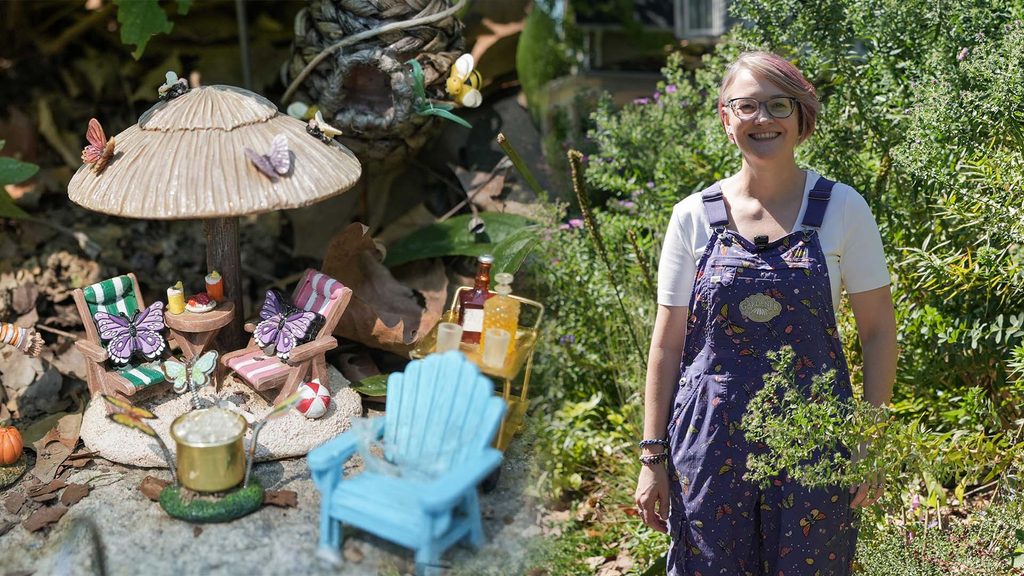
A huge thanks to Matteo Iadonisi from 6abc who made this beautiful piece about how neighbors are enjoying my little native garden.
Alright, back to the gardening at hand. I have excellent news for anyone who is a little tired of gardening. November is often thought of as the month to tidy everything up, cut plants back and put the garden to bed. But if you have been growing native plants and making room for wildlife, quite a bit of that work can be completely ignored.
After a long, hot summer, this feels like a particularly welcome idea. You get a break, and the creatures sharing your garden get somewhere to spend the winter. Here are a few things you can leave alone this November, along with some small ways to enjoy your garden if you still have the energy.
Leave a little room for winter residents
Let’s begin with the leaves. You don’t want to leave them across paths because they might become slippery or allow them to block drains, but they don’t all need to leave your property either. Gently rake them into garden beds or a nice corner where they can settle for the winter. That layer of leaves provides shelter for insects, including some butterflies and moths that spend the colder months as eggs, caterpillars or pupae. The creatures you enjoyed watching during the summer may still be in your garden, they’re just hiding.
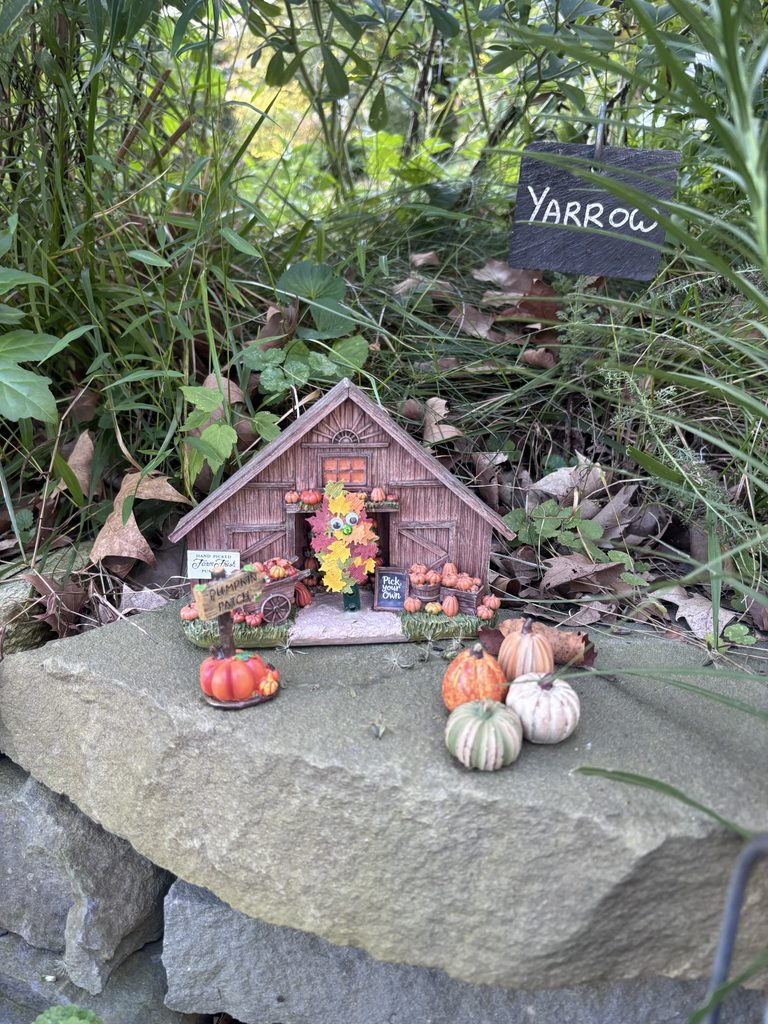
This little display in my native garden introduces my neighbors to the character, Larry Leaves, as a way to encourage them to leave the leaves in their garden.
Standing stems and seed heads have a purpose too. Coneflower seed heads offer food for birds; goldfinches particularly love them. While hollow stems provide places for solitary bees to nest. It is tempting to look at a brown plant and assume its usefulness has ended, but a garden that has stopped flowering can still be providing food and shelter.
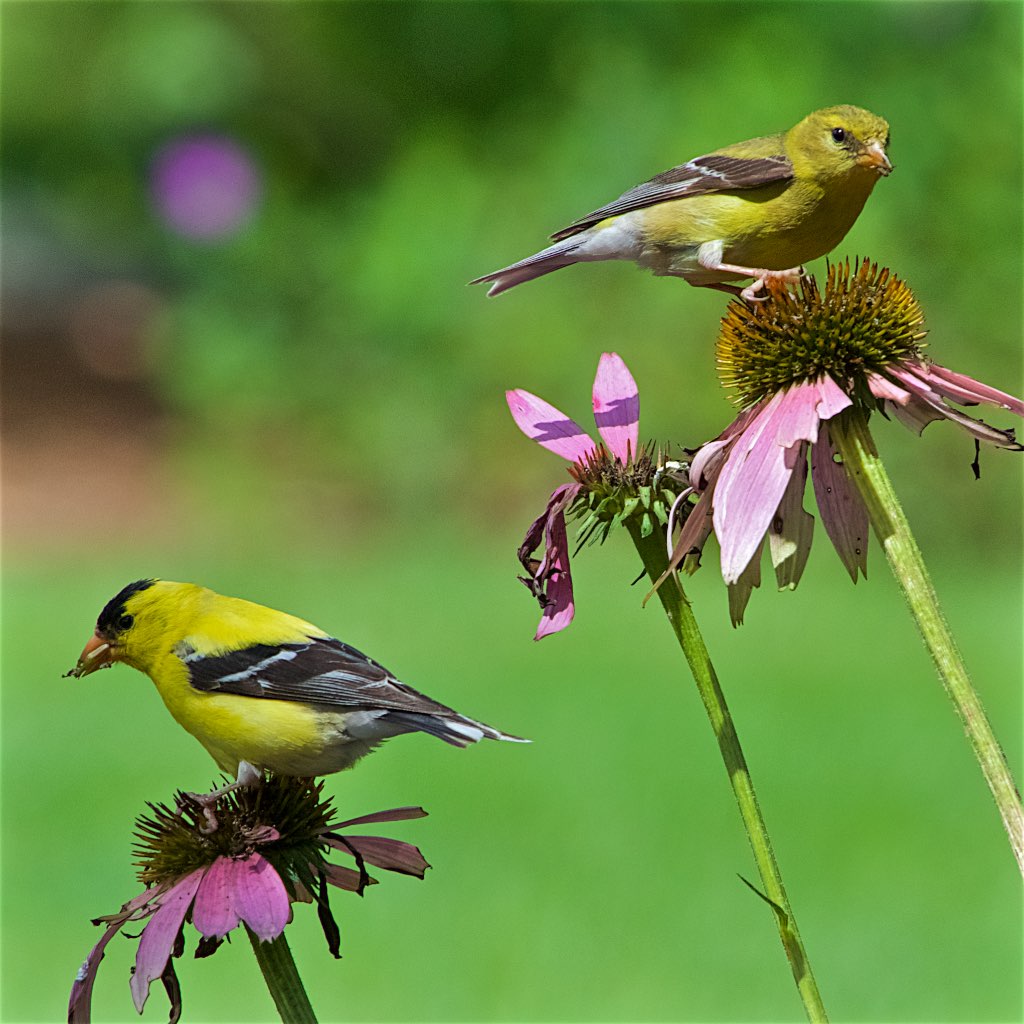
Goldfinches are mostly vegetarian and rely on seeds like coneflowers, zinnias and thistle to feed their babies.
If you prefer a little order, clear the path through your garden and leave the beds standing. A small sign explaining that you are providing winter habitat can also help neighbors understand what you are doing.
Plant a little something for spring
If you still have energy for digging (good for you!), there may be time to add something new before the ground freezes. Container-grown plants can be planted while the soil is workable, although earlier fall planting can give roots more time to establish. Newly added plants will still need watering when the soil is dry before winter takes hold. Feel free to reach out about a particular plant you are considering, I’d love to help.
If October’s column persuaded you to bring home a free tree, some seeds or a plant from a neighbor, check what it needs next. A newly planted tree needs watering, while some seeds may have specific requirements. Some native plant seeds need a spell of cold, moist weather before they will germinate. This is called cold stratification, and it helps keep them from sprouting before winter when young seedlings might not survive. Depending on the species, sowing seeds outdoors in late fall lets winter do that work for you. Check the instructions for your particular seeds, because some need a longer cold spell than others, and some do not need one at all.
November is also a good time to think about spring-flowering bulbs. They require a little work now, but there is something appealing about planting a future flower and being surprised in the springtime when it pops up. Check with Primex Garden Center about its current bulb selection and what would suit your space. Think about how much sun the spot gets in spring, how well the soil drains and what else will be growing there once the flower/plant begins to fade.
Take a class or enjoy the view
Taking a break from gardening does not mean you have to stop enjoying plants. You could take a November class at Primex, browse a gardening book (I have a few recommendations linked here but I’ll have more for you in January) or spend a little time looking through the photographs you took this year.
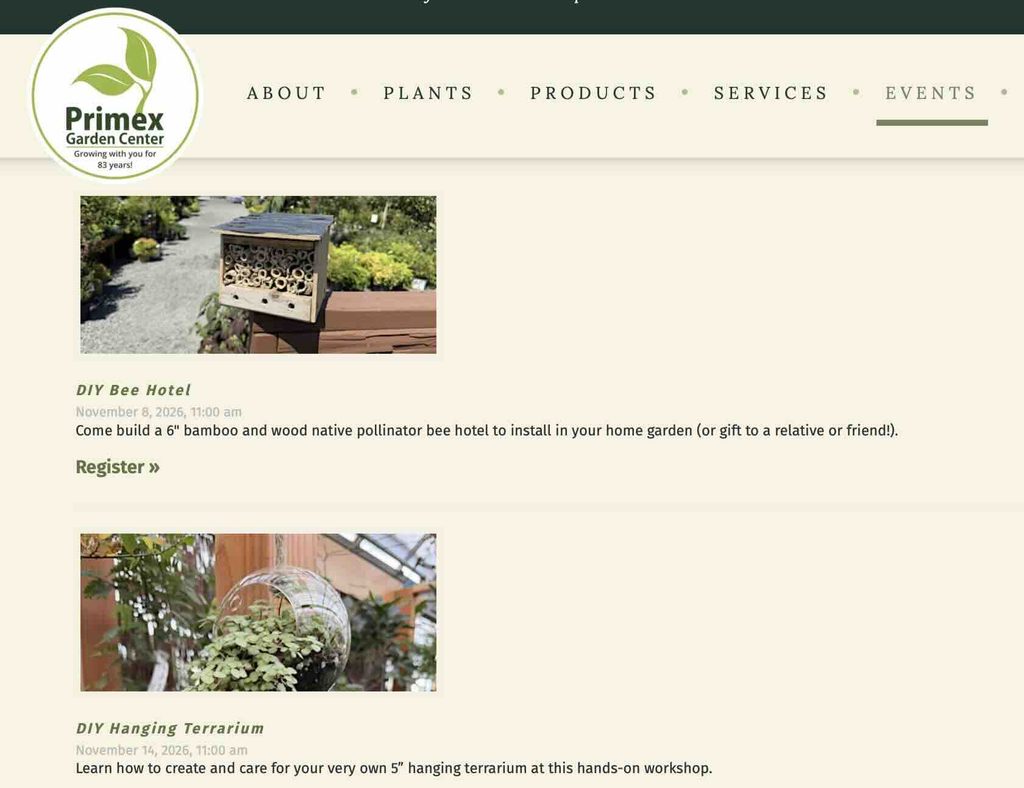
There is also plenty to notice without leaving home. Which birds are visiting the seed heads? Where do they find shelter? What happens to the shape of your garden as leaves fall and the plants dry out? We spend so much time trying to get our gardens to do something that it can be easy to forget to watch what they are already doing.
Make a few notes before you forget
This is a useful time to write down what worked and what did not. Nothing elaborate is required just a few notes on your phone or in a notebook will help when spring arrives and you find yourself wondering where you intended to plant something.
Which plants grew well? Which struggled? Did something become much taller or wider than you expected? Was there a gap between flowering plants that you would like to fill next year? For a nature-friendly garden, think about the visitors too. Which plants attracted the most bees? Where did you find caterpillars? What brought birds into the garden?
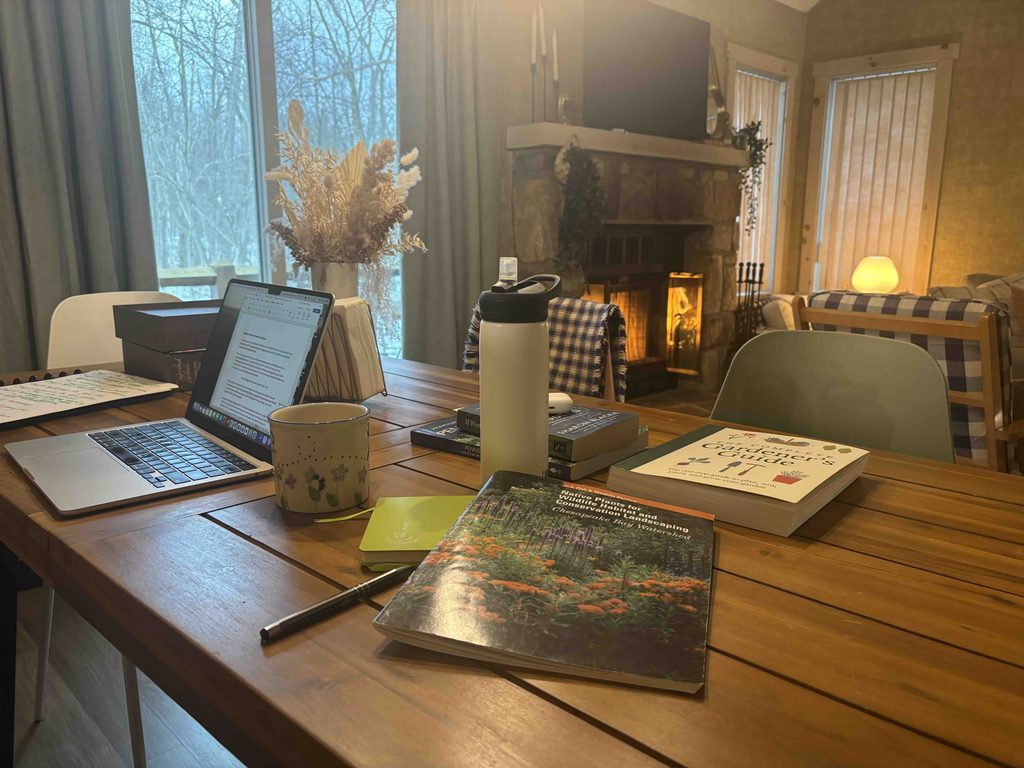
My usual garden notes from the year past and planning for the year ahead setup.
It is worth including what you didn’t love about certain plants this year too. Perhaps a container needed more watering than you felt like doing when the time came. Maybe you loved a plant but disliked where you put it. Or something you thought had died eventually appeared as if resurrected from the dead!
Your turn
December’s column will be about the lessons our gardens taught us this year, and I would love to hear yours.
What worked? What definitely did not? Did a plant surprise you, take over a space or bring an unexpected visitor into your garden? What will you try differently next year? I’m already gathering lessons learned from your neighbors and I’m so excited to share them next month!
Send your stories my way by emailing dearmediocregardener@gmail.com or find me on Facebook or Instagram. Successes and mishaps are equally welcome. For now, enjoy the rest, you’ve definitely earned it.
Yours, as always, in mediocrity,
Edel
For more editions of The Mediocre Gardener, you can click here.
For all the latest news, follow us on Facebook or sign up for Glenside Local’s “Daily Buzz” newsletter here.