
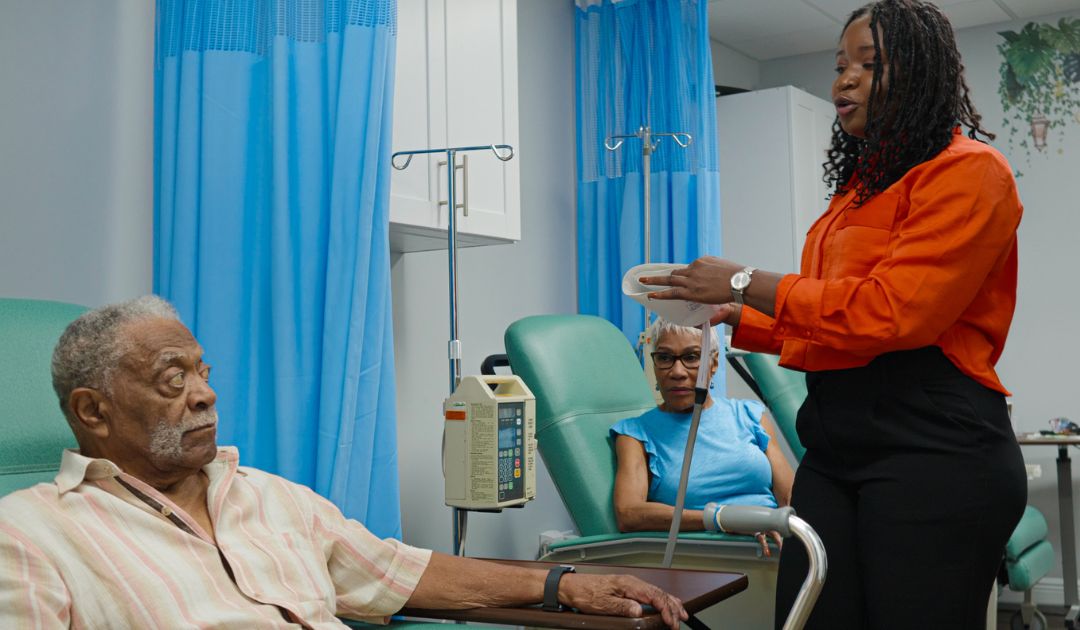
Robert Williford, 67, of Abington Township, was recently featured in an article by the Washington Post titled “New Alzheimer’s drugs bring hope. But not equally for all patients.”
Williford, a retired social worker, was diagnosed with early Alzheimer’s about 10 years ago by David C. Weisman, a neurologist at Abington Neurological Associates. The clinic was one of the test sites for Leqembi, a drug which Williford is currently taking and which has been shown to clearly slow the neurodegeneration that comes with the disease.
But according to the Post, his case is unique as scientific data on the drug is “scant” when used by African Americans.
“Are these drugs going to work in non-Whites? And particularly in Blacks? We just don’t have enough data, I don’t think,” said Suzanne E. Schindler, a clinical neurologist and dementia specialist at Washington University in St. Louis. “In general, the default is that they will work the same in everybody, but we don’t really know that for sure.”
Some researchers believe Black patients diagnosed with Alzheimer’s might have vascular dementia stemming from heart disease, hypertension and diabetes, among other factors.
“A brain is a brain is a brain, whether it is Asian, Hispanic, African American or White,” Weisman said. “A patient is either a good fit or a bad fit, and Robert is a good fit.”
For the full story, you can click here.
For all the latest news, follow us on Facebook or sign up for Glenside Local’s “Daily Buzz” newsletter here.
Photo: Hannah Yoon for the Washington Post